my wishlist
The Art of the Layered Table
For years, event tables have followed the same predictable formula. Most tables feature a single floral compote placed at the center, while alternating tables are styled with a raised stand holding a coordinated arrangement. It’s a look you’ve seen time and time again—the same vessels, the same metallic stands, repeated across countless weddings, galas, and corporate events. It works, but it rarely leaves a lasting impression unless it’s taken to an over-the-top scale of florals.
The “floral in the middle of the table” didn’t happen by accident—it’s the result of centuries of evolving dining culture, design trends, and practicality all converging into one easy formula.
It started with abundance and display
These weren’t simple arrangements—they were sprawling, layered displays. The idea was visual impact first, function second.
During the 19th century, especially in the Victorian period, etiquette and structure took over. The table became more formalized, and the centerpiece became a defined element—often using epergnes (ornate stands holding flowers or fruit).
When large-scale events moved into hotels and ballrooms, efficiency became everything. Round tables replaced long banquet tables, and planners needed something that was:
- Fast to produce
- Easy to replicate
- Neutral enough for any event
A single floral arrangement in the middle checked every box. It became the industry standard because it was scalable.
As the modern event and wedding industry grew, florists and venues leaned into repeatable packages.
The formula became:
- One compote or vase
- Optional tall stand version
- Same arrangement on every table
It photographed well, was easy to price, and minimized risk. Over time, it became so common that it stopped feeling special.
Why it stuck (and still dominates)
The “single centerpiece” survives because it solves a lot of problems:
- Keeps sightlines clear for guests
- Fits neatly within linen + place setting layouts
- Works with almost any venue
- Easy for florists to quote and execute at scale
But the tradeoff is obvious: it prioritizes efficiency over originality.
Where things are shifting now
The industry is starting to move away from that formula—back toward something closer to its origins, but with a modern twist:
- Layered, sculptural tables instead of a single focal point
- Mixed heights using risers, busts, vessels, and objects
- Smaller floral moments integrated throughout instead of one arrangement
- Tablescapes that feel curated rather than duplicated
In a way, it’s a return to visual storytelling—just without the rigid rules of the past. If you want your event to feel fresh and unforgettable, it starts with rethinking that traditional approach and leaving the single compote behind. Today’s weddings and events are shifting toward something far more expressive, where tables feel layered, curated, and full of personality.
Instead, think in terms of sculptural accents, a curated mix of objects that create depth, movement, and visual intrigue. This is where one of a kind risers come in. By introducing varied heights across the table, you instantly elevate the entire look. Low, medium, and tall elements working together create dimension and draw the eye across the table rather than locking it into one focal point. The result feels intentional, collected, and far more dynamic than a single arrangement ever could.
Layer in Dixie Does Vintage’s Garden Party Grecian Plaster Floral Busts in a mix of sizes to bring a sense of artistry and old world charm. These pieces feel like they have been pulled from a European garden or gallery, adding a refined but unexpected edge. Pair them with Cherub Floral Compotes, each one a playful and detailed piece that feels like a miniature sculpture. Some are vintage, some are simply full of character, but all of them add personality. They are not just vessels, they are conversation starters.
For a softer and more romantic narrative, Dixie Does Vintage’s Swan Lake Garden Collection introduce meaning into the design. Swans have long represented love and commitment, making them especially fitting for weddings and bridal celebrations. When styled with florals, they become both decorative and symbolic, with subtle storytelling woven directly into your tablescape.
If you are ready to push the look even further, bring in our collection of garden muse statues or Venus de Milo inspired figures. These pieces create a sense of drama and timeless beauty, especially when styled sitting in a bed or mound of flowers. They transform the table from a simple setting into something that feels immersive, like a garden scene unfolding right in front of your guests. It is bold, artistic, and impossible to ignore.
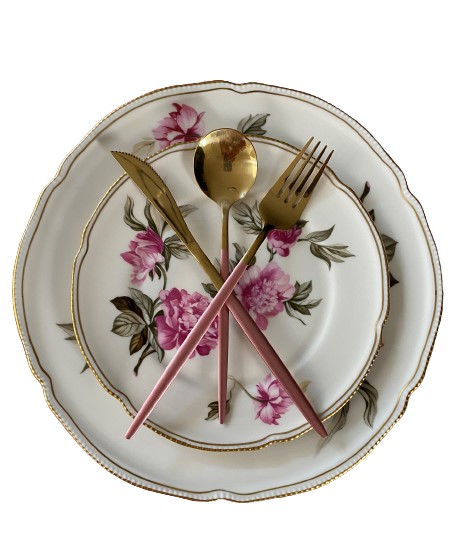
Once the sculptural elements are in place, the details tie everything together. Add votives for a warm glow that highlights the textures and shapes across the table. Choose tablecloths in interesting, coordinated prints that feel curated rather than overly matched. Bring in fun, elevated napkins that add another layer of color or pattern. When your centerpieces are this strong, your china can stay simple, allowing the rest of the table to shine without feeling overdone.
The overall effect leans into a Garden Party Aesthetic with a touch of Rococo Revival, romantic, layered, and full of visual interest. It feels collected rather than constructed, like each table was thoughtfully assembled instead of copied across the room. This is where modern event design is heading, more personality, more dimension, and more willingness to break the rules.
So skip the single compote. Build something that feels alive, layered, and unforgettable. Dare to be different, because the most memorable tables are never the ones that played it safe.